
Whoa!
I wasn’t expecting browser wallets to feel this alive and fast. Seriously, the speed of transactions on Solana genuinely surprised me today. At first I traced slow feelings back to network hype and bad UX, but actually after testing a few different extensions while juggling tabs and dapps I realized the gap was mostly about how the wallet handled session permissions, token metadata lookups, and intermittent RPC fallbacks which all pile up in user perception. My instinct said the UX could be tightened across common flows.
Really?
Here’s what actually happens when you open a dapp on a busy day. The wallet asks for a handful of permissions, fetches token lists, and then stalls. Initially I thought that more RPC nodes would solve every glitch, but then I ran experiments that showed caching strategies, batching of requests, and prioritizing quick UI feedback were equally, if not more, important to reduce the feeling of friction for non-technical users. On one hand more nodes help, though actually the software design matters too.
Here’s the thing.
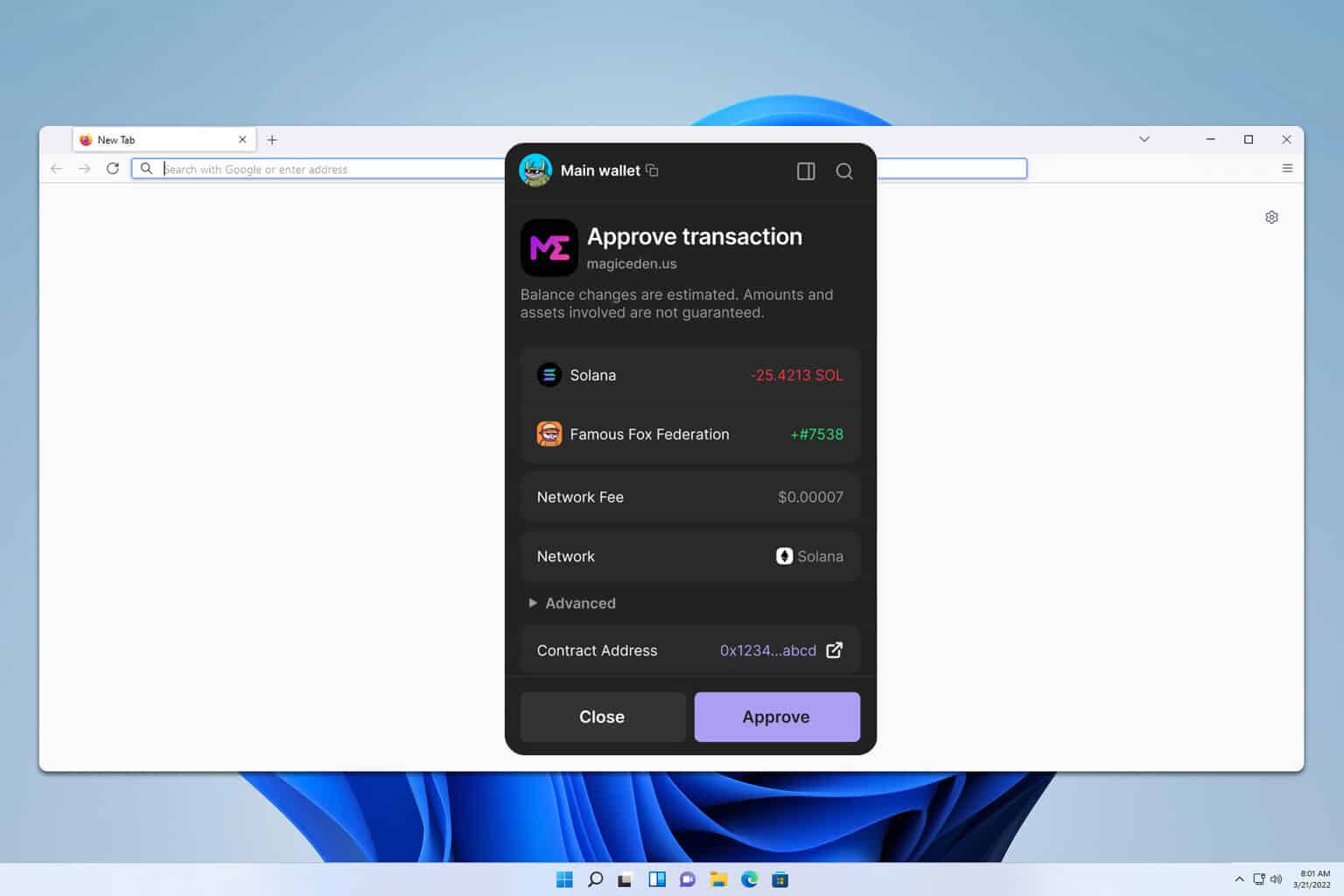
Phantom set a very very high bar with simple flows and friendly copy. I used it to swap and stake while walking through a chilly downtown street. Something felt off about the first time I approved a contract; I gave permission, then later noticed a weird allowance that I didn’t expect, which led me to dig into the transaction history and understand that default allowances and repeated approvals can create long-term surface area for risk even on fast chains. I’m biased, but hardware wallet integrations reduce that exposure a lot.
Quick install and a gentle recommendation
Hmm…
A practical tip: always check the exact allowance and the requesting contract name before approving. For many users, try the phantom wallet download extension to install quickly. If you’re running several dapps at once, or switching wallets to compare gas behavior, take the time to profile RPC latency from your region and pick providers that prioritize consistent cold-start response times rather than occasional blazing benchmarks that disappear under load. Actually, wait—let me rephrase that: export your seedphrase and store it offline.
Wow!
Security UX still has a few rough edges for everyday people. When permissions are worded like legalese, users click through, and that’s dangerous. I’ll be honest—I once approved a token list that used an ambiguous name; somethin’ in the wording didn’t sit right and I flagged it, and that habit has saved me from at least two odd token airdrops that would have cluttered my balance and caused confusion later on. One simple pattern: short permission prompts with clear yes/no outcomes work best.
Seriously?
On mobile and desktop the tradeoffs differ in subtle ways. For desktop, browser extension isolation and native OS prompts are strengths. Something I keep returning to is that no matter how slick the UI, clear recovery flows, well-documented permission explanations, and sane default settings are the true hallmarks of a wallet you can recommend to friends, family, or a non-technical client who just wants to move assets without headache… I’m not 100% sure about every edge case, though the roadmap feels right.
FAQ
Is a browser extension wallet safe for beginners?
Oh!
Common question: is a browser extension safe for beginners?
Generally, yes if you follow basic practices like hardware backups and strict permission review. On the other hand, risk comes from social engineering, malicious dapps, and reused seed phrases, which is why layered defense, awareness training, and vendor reputation matter just as much as the cryptography under the hood. So be careful, test with small amounts, and ask questions in community channels.
